TL;DR
- Answer engine optimization (AEO) means structuring content so AI platforms like ChatGPT, Perplexity, and Google AI Overviews cite your brand as a source - not just rank it in blue links.
- An analysis of 680 million citations found only 11% of domains are cited by both ChatGPT and Perplexity. You can’t optimize for one platform and expect to win everywhere.
- Branded web mentions have a 0.664 correlation with AI Overview visibility, while backlinks sit at 0.218. Brand building is the new link building.
- AI referral traffic converts at 4.4x to 23x the rate of traditional organic, depending on your platform and industry. Lower volume but dramatically higher value per visit.
- Google AI Overviews now appear in roughly 50% of searches, yet only 38% of their citations pull from top-10 organic results - down from 76% a year ago.
I’ll be honest: I was an AEO skeptic. For most of 2024, I assumed “answer engine optimization” was just SEO consultants finding a new label to sell. Then I started tracking where AI engines actually pull their citations from, and the data broke the mental model I’d built my career around. Backlinks barely registered. The platforms didn’t agree on what to cite. Everything I thought I knew about “optimization” needed a hard reset.
This article covers what most AEO guides skip: the specific citation mechanics per platform, the signals that move the needle, and the conversion data that makes the ROI case undeniable.
What is answer engine optimization, and why does the old playbook fall short?
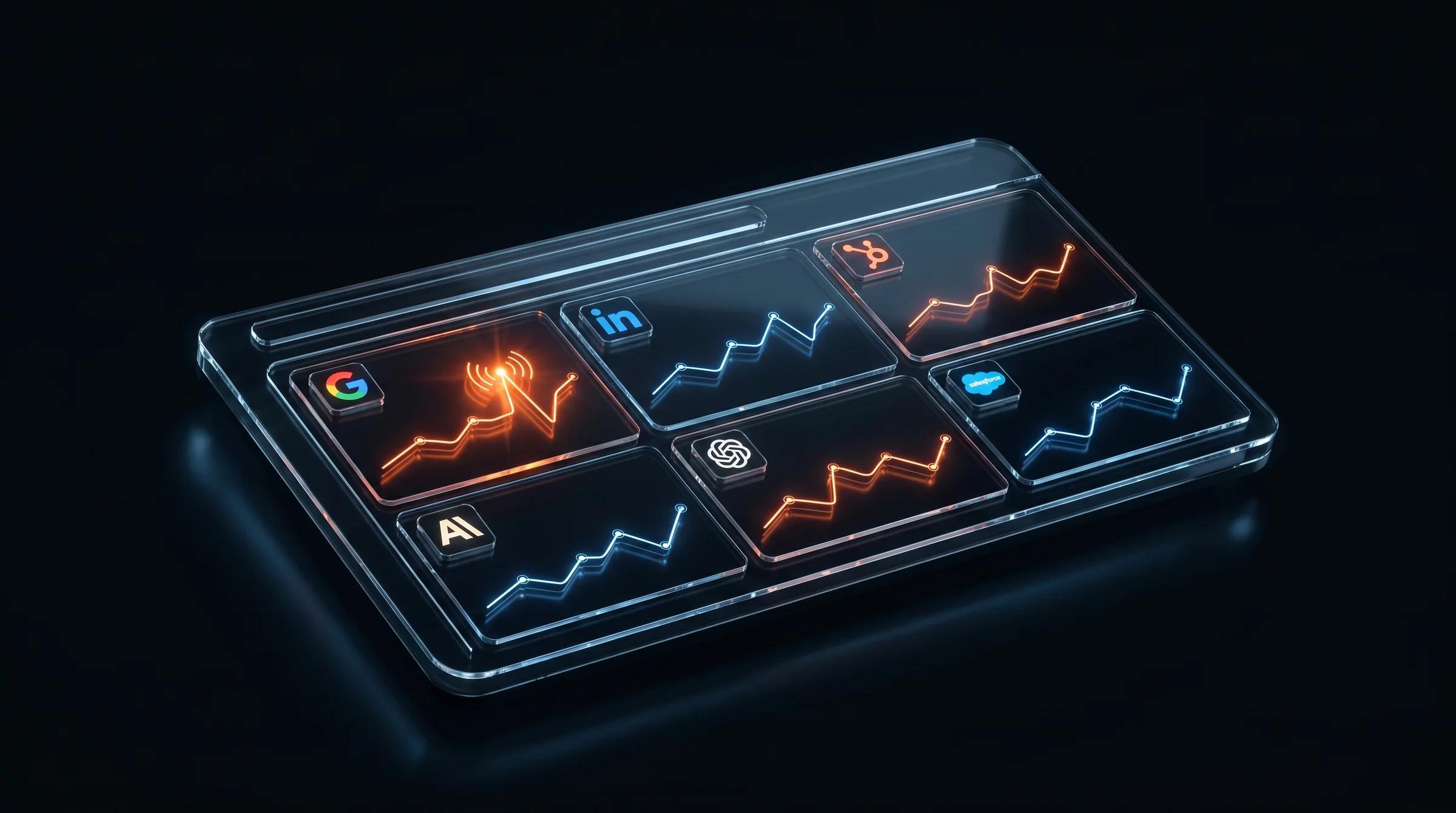
Answer engine optimization is the process of formatting and positioning your content so AI-powered answer engines cite it when generating responses. ChatGPT, Perplexity, Google AI Overviews, Claude, Microsoft Copilot - these platforms don’t show ranked lists. They pick a handful of sources, synthesize an answer, and may or may not link back to you.
Gartner predicted traditional search volume would drop 25% by 2026. That forecast was accurate, and their follow-up projection of 50% by 2028 no longer looks dramatic. The AI search market has already hit an estimated $15–16 billion.
But the bigger shift is the signal change. Ahrefs analyzed 75,000 brands and found branded web mentions have a 0.664 correlation with AI Overview visibility. Backlinks? 0.218. Domain Rating? 0.326. If you’ve been pouring budget into link building while ignoring brand presence, you’ve been optimizing for the wrong scoreboard.
Each AI platform cites different sources (and that changes everything)
I assumed that ranking well on Google meant ChatGPT and Perplexity would cite me too. Wrong. An analysis of 680 million citations found only 11% of domains are cited by both ChatGPT and Perplexity. Nearly 9 out of 10 domains cited by one platform get ignored by the other. These aren’t interchangeable channels - they’re different ecosystems.
| AI Platform | Top Cited Source | Key Behavior | What This Means |
|---|---|---|---|
| ChatGPT | Wikipedia (~48% of top citations) | Bing-powered retrieval; ~30 domains capture 67% of citations per topic; only 6.82% overlap with Google top 10 | Optimize for Bing. Build off-page authority on G2, Capterra, and Wikipedia. |
| Perplexity | Reddit (46.7%) | Real-time retrieval every query; 21.87 citations per response; 82% of citations from content under 30 days old | Be active on Reddit. Publish fresh, structured content with visible data. |
| Google AI Overviews | Reddit, YouTube, diversified | Only 38% from top-10 organic (down from 76%); 97% cite at least one top-20 page | SEO matters but isn’t sufficient. Semantic completeness and multi-modal content drive citations. |
| Claude | Varies (Brave Search) | Favors verifiable claims and balanced language; conservative with citations | Attribute every claim. Write in encyclopedic, neutral framing. |
| Microsoft Copilot | Wikipedia (~35%) | Bing indexing with IndexNow; prominent clickable citations since Nov 2025 update | Push content to Bing via IndexNow. Ensure clean schema. |
Sources: Profound, OtterlyAI, Ahrefs, Kevin Indig
Here’s the reality check: a 2026 study of 34,234 AI responses found ChatGPT cited brands just 0.59% of the time, while Perplexity cited brands at 13.05%. That’s a 22x gap. Treating “AI optimization” as one channel is like running the same strategy on LinkedIn and TikTok.
The AEO priority matrix: where to start
Your AEO priority depends on two things: your audience and your content type.
-
Identify where your audience searches. B2B buyers? ChatGPT handles over 2 billion queries daily with 883 million monthly users. Local services? Google AI Overviews dominate. E-commerce? ChatGPT’s shopping features and Perplexity’s product citations are growing fast.
-
Match content type to platform. Kevin Indig’s analysis of ~98,000 citation rows found roughly 30 domains capture 67% of citations within a topic. FAQ-style content wins on Perplexity and Google AI Overviews. Deep authority pieces with original data do better on ChatGPT. Comparative listicles - “Best CRMs for startups” - dominate across all platforms.
-
Chase conversion, not volume. Most teams chase Google AI Overviews because they reach billions of users. They should chase conversion. AEO traffic converts at 6.8% on average versus 2–3% for organic. HubSpot reports 3x better lead conversion from AEO. Even with lower volume, the revenue impact compounds.
Set up your tracking: Add
chat.openai.com,perplexity.ai, andcopilot.microsoft.comas recognized referral sources in GA4. ChatGPT drives 87.4% of all AI referral traffic, but Claude has grown from 1.4% to 18.5% of B2B referrals in eight months. You can’t optimize what you don’t measure.
Brand mentions are the new backlinks
Every SEO era had its dominant signal. PageRank, then domain authority, then topical authority. For AI citation, the signal is brand presence.
Branded web mentions show the strongest correlation (0.664) with AI Overview visibility. Branded anchors come next at 0.527. Brand search volume at 0.392. Backlinks trail at 0.218. This means PR matters for AEO. Podcast appearances matter. Getting your founder quoted in trade publications matters. All those “brand building” activities SEOs used to dismiss as fluff? They now directly feed the signal AI platforms use to decide who gets cited. Brands in the top 25% for web mentions get 10x more AI visibility than those in the bottom quartile.
“One of the most common mistakes companies make is overestimating the difference between answer engines and search engines. Underlying both is the need for precise, straightforward content that bots can access the clearest possible way.”
- Nikhil Lai, Principal Analyst at Forrester
How to structure content AI platforms can extract
The Princeton University GEO study tested optimization methods against AI visibility. Here’s what worked, ranked by impact:
-
Adding cited sources to your content. Improved AI visibility by 115.1% for sites ranked 5th in traditional search. When your content cites other authoritative sources with inline references, AI platforms treat your page as a synthesis hub.
-
Including quotations from named experts. Visibility improved roughly 37%, especially on Perplexity. Quotes add credibility signals that AI models recognize as trust markers.
-
Embedding specific statistics with context. A roughly 22% improvement from adding real, verifiable numbers. “Conversion rates increased 23% over 8 weeks” beats “many businesses see improvement” every time.
-
Leading with the direct answer. Research found 44.2% of all LLM citations come from the first 30% of page content. The bottom 10% of pages earned just 2.4% to 4.4% of citations. Put your answer in the first 40–60 words of every section.
What backfired: keyword stuffing performed worse in generative engines. Years of SEO keyword-density habits are counterproductive in AEO.
Freshness matters too. 65% of AI bot hits target content under one year old. AI-cited content is 25.7% fresher than content in traditional results. Perplexity cites sub-30-day content at an 82% rate. Update priority pages quarterly at minimum.
The technical checklist: AI-ready vs. AI-invisible
Many AI crawlers can’t render JavaScript the way Googlebot can. OtterlyAI found 73% of sites block AI crawlers accidentally. Here’s your checklist, in order of impact:
-
Fix robots.txt for AI crawlers. Allow GPTBot, OAI-SearchBot, ChatGPT-User, PerplexityBot, ClaudeBot, and Claude-Searchbot. Most default robots.txt files block all non-Google bots.
-
Add schema markup. Content with proper schema has a 2.5x higher chance of appearing in AI answers. FAQPage schema for Q&A. Article schema with author and datePublished. FAQ schema alone correlates with roughly 40% higher citation weighting in ChatGPT.
-
Minimize JavaScript requirements. Serve critical content as HTML. View your page source (Ctrl+U). If the main content isn’t visible, neither are you to AI crawlers.
-
Implement IndexNow for Bing. ChatGPT and Copilot rely on Bing’s index. IndexNow pushes new content into Bing within hours.
-
Maintain visible freshness signals. Pages not updated quarterly are three times more likely to lose AI Overview citations. For finance and tech, update monthly.
The conversion case your CFO needs
AEO stops being a marketing curiosity and starts being a boardroom priority once you see the conversion data.
Stackmatix’s 2026 benchmarks put the average AEO conversion rate at 6.8%, versus 2–3% for organic. Ahrefs found AI referral traffic generated 12.1% of signups from just 0.5% of visitors - a 23x conversion premium. Semrush measured a 4.4x premium. HubSpot reports 3x better lead conversion. Different methodologies, same bottom line: AI-referred visitors are worth significantly more.
Why the gap? The average ChatGPT prompt is 23 words versus 3.37 words for a Google query. Users describe their problem in detail. The AI matches them to your solution. By the time they click through, they’re not browsing - they’re deciding.
The math: 1,000 monthly ChatGPT visits at a 12% conversion rate = 120 conversions. To get 120 conversions from Google at 2%, you’d need 6,000 visits. Lower volume, dramatically higher value per visit. And AI referral traffic is growing roughly 1% month-over-month, doubling roughly every quarter.
Frequently Asked Questions About Answer Engine Optimization
Is AEO replacing SEO?
No. AEO extends SEO but doesn’t replace it. Even though Google AI Overview citations from the top 10 have dropped from 76% to 38%, strong SEO fundamentals remain the prerequisite for AI citation pipelines. [INTERNAL LINK: SEO fundamentals for B2B growth]
How do I track whether AI platforms are citing my content?
Set up GA4 custom channel groupings forchat.openai.com,perplexity.ai, andcopilot.microsoft.com. Tools like Profound, OtterlyAI, Ahrefs Brand Radar, and HubSpot’s AEO tool offer AI-specific dashboards. Manual testing still works: query each platform with 10–20 questions relevant to your business. [INTERNAL LINK: AI visibility tracking tools guide]
What’s the difference between AEO and GEO?
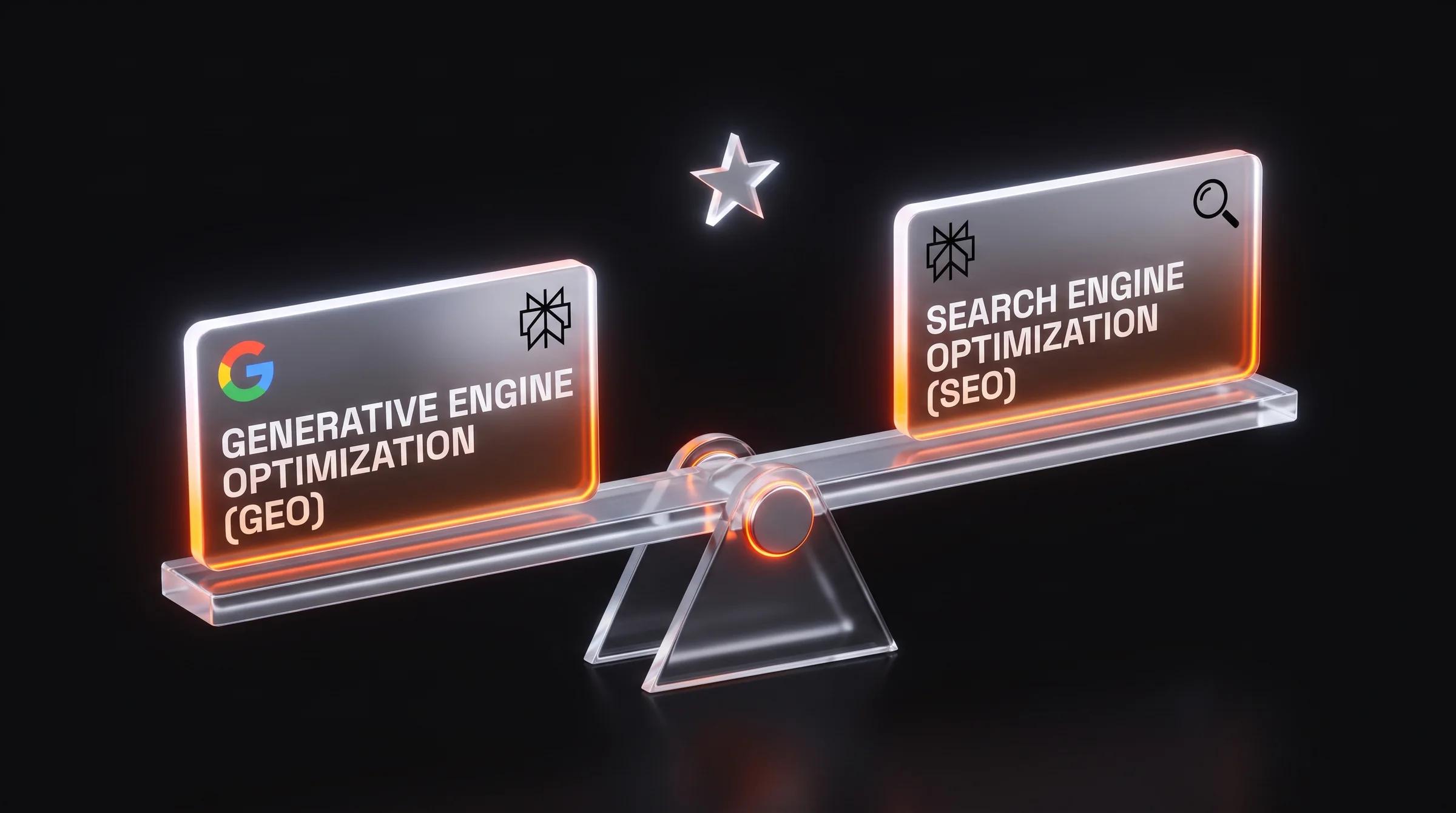
AEO focuses on getting cited by answer-providing features. GEO, coined in the Princeton University paper, focuses more broadly on influencing how generative AI models present information. In practice, the tactics are nearly identical. [INTERNAL LINK: GEO vs SEO complete guide]
Does schema markup actually matter for AEO?
Yes. FAQPage schema correlates with roughly 40% higher citation weighting in ChatGPT. Structured data shows a 73% improvement in AI Overview selection rates. Schema helps AI crawlers interpret content context and validate factual claims.
How long does it take to see results from AEO optimization?
Expect 4–12 weeks. Technical fixes (robots.txt, IndexNow) can show impact within days for Perplexity. Content restructuring and brand building take longer. AI citations fluctuate 40–60% month to month, so watch for directional trends over a full quarter, not short-term swings. [INTERNAL LINK: How to measure content marketing ROI]
Where this goes from here
AEO isn’t a trend. ChatGPT handles over 2 billion queries daily. Google AI Overviews appear in roughly half of all searches. Perplexity is the default research tool for analysts and technical buyers. The brands that invest in platform-specific optimization, brand signals, and AI-specific conversion tracking will pull ahead while competitors debate whether AEO is “real.”
Three things to do this week: audit your robots.txt - 73% of sites block AI crawlers accidentally - set up GA4 tracking for AI referral sources, and restructure your top five pages so the first 60 words of every section answer the question directly. That’s 80% of the work for 80% of the result.
If you’d rather hand this to a team that’s already deep in AEO strategy and execution, LoudScale works with brands on exactly this kind of AI visibility program.
The AI answer engines aren’t coming. They’re here, they’re citing sources right now, and the only question is whether your brand is one of them.
Sources
- Ahrefs - AI Overview Brand Visibility Factors (75K Brands Studied)
- OtterlyAI - The AI Citation Economy: 1+ Million Data Points (2026)
- The Digital Bloom - 2026 AI Citation Position & Revenue Report
- HubSpot - Answer Engine Optimization Trends in 2026
- Stackmatix - AEO Conversion Rate: 2026 Benchmarks
- Profound - AI Platform Citation Patterns
- Princeton University - GEO: Generative Engine Optimization (KDD 2024)
- Kevin Indig - The Science of How AI Picks Its Sources
- Leapd - How AI Platforms Source Information in 2026
- Gartner - Search Engine Volume Will Drop 25% by 2026
- VereNorth - Understanding AI Traffic in 2026
- Search Engine Land - ChatGPT Citations Favor Small Group of Domains
- AI Visibility ReadinessScore AI Visibility Readiness (not live mentions) free.
- SEO CheckerLive on-page extractability, schema, and trust checks.
- Website Growth GraderFull growth diagnostic across SEO and positioning.
Diagnostics show a useful score before email. Explore LoudScale services when you want a full plan and implementation.
LoudScale Team
Growth Marketing Specialists
The LoudScale team shares practical strategies and experiments across search and AI visibility, content authority, B2B lead generation, lifecycle systems, analytics, and responsible AI.